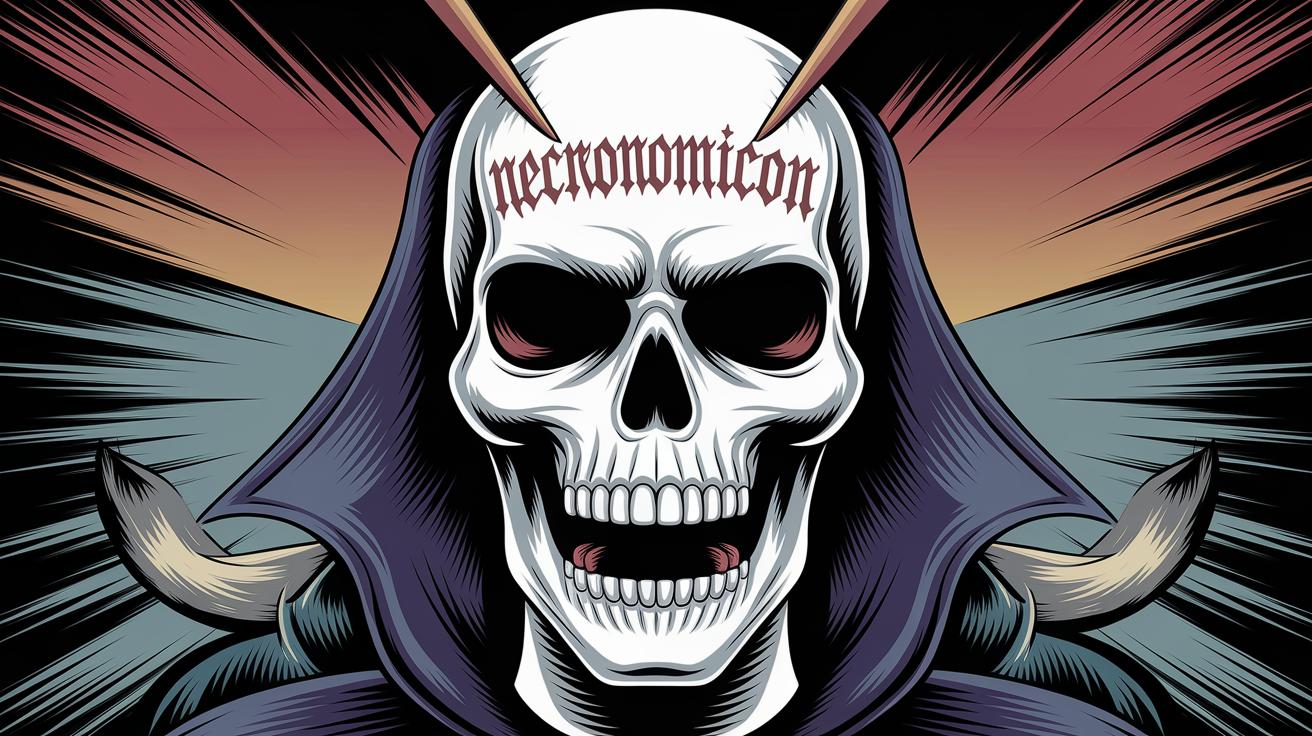
Necronomicon Rare Photos and Archives
The allure of the mysterious and forbidden comes to life in the Necronomicon, a magical tome steeped in both lore and infamy. This blog post explores the depths of this mythical book, venturing through rare photos and archives that bring its intriguing history and dark artistry into stunning focus. From its inspirations and artistic endeavors to the detailed process of crafting replicas, each step is meticulously documented. We’ll delve into Martin Llewellyn’s modern interpretation, “A Manual of Corpse Eating,” and examine the detailed creation process of these mythical volumes, showcasing the dedication and artistry behind their creation. These insights culminate in a play showcasing its profound impact. This guide not only honors the legacy of the Necronomicon but inspires continued exploration for enthusiasts and creators alike.
Introduction: Necronomicon Ex Mortis: The Book of the Dead!
The Necronomicon Ex Mortis, often shrouded in legend and mystique, has captivated the imaginations of readers and creators alike for centuries. Known as the “Book of the Dead,” this tome is said to contain incantations and knowledge that could awaken the dead and unleash untold horrors. Its mere mention invokes a sense of fear and curiosity, prompting scholars and artists to explore its dark allure.
Rooted in fiction yet spoken of with an air of reality, the Necronomicon has inspired countless adaptations across various media. This exploration aims to uncover rare insights into its historical depictions and artistic interpretations, inviting readers to ponder its lasting impact on culture and creativity.
Review: Necronomicon – A Manual of Corpse Eating by Martin Llewellyn
Martin Llewellyn’s “A Manual of Corpse Eating” reimagines the Necronomicon through a contemporary lens, blending traditional horror elements with fresh, gruesome twists. Llewellyn’s work is an engaging exploration of taboo subjects, wrapped in a narrative that feels both old and new. His intricate storytelling captures the essence of the Necronomicon’s foreboding reputation while offering a unique perspective on its symbols and rituals.
The narrative structure of Llewellyn’s work captivates readers not just with its grim content but also through its exquisite prose and artistic illustrations. Each chapter delves deeper into the macabre, skillfully balancing lore with vivid imagery that haunts and mesmerizes. Llewellyn’s interpretation remains respectful of its source material while boldly expanding the mythos, inviting readers into a world where death and magic intertwine.
Step 1: The Inspiration
Creating a replica of the Necronomicon begins with inspiration — a muse that sparks the creative process. For many, this stems from the original tales written by H.P. Lovecraft, whose vivid descriptions and eerie narratives laid the groundwork for the horrors that the Necronomicon would come to symbolize. Lovecraft’s influence is palpable, inviting artists to delve deeper into their own dark imaginations.
Exploring various adaptations of the Necronomicon, from film to literature, provides a rich tapestry of ideas and motifs to draw upon. These interpretations, diverse in their artistic handling, serve as potent motivators for creators aiming to encapsulate the ethereal presence of this mythical book.
Step 2: The Absolutely Amazing Art!
The art of the Necronomicon is crucial in capturing its essence, extending beyond text to evoke visceral reactions from its audience. Artists often employ a mix of gothic and horror aesthetics, using intricate details to create a visual representation of the book’s dark spirit. This art becomes the heart of the replica, setting the tone for the entire project.
Creators immerse themselves in the stylistic elements of death and decay, employing various techniques such as sketching, painting, and sculpting to breathe life into their vision. The artwork serves as a gateway to the unworldly, transforming the Necronomicon from mere concept to tangible, unsettling reality.
Step 3: Gather Materials
The next stage involves gathering materials, a practice that requires both creativity and resourcefulness. Artists search for materials that not only provide durability but also lend an authentic look and feel to the Necronomicon. Leather, parchment, and various embellishments are commonly chosen for their historical and aesthetic value.
Finding the right materials is not just about practicality but about ensuring that each component resonates with the intended atmosphere. This careful selection process enables creators to maintain a seamless blend of form and function, crafting a Necronomicon that feels both ancient and powerful.
Step 4: The Core of the Cover
The cover of the Necronomicon is often its most iconic feature. Many creators focus on crafting a cover that immediately evokes a sense of dread and curiosity, often incorporating elements like demonic faces or obscure symbols. This step requires a high level of skill, where artists transform raw materials into a striking visual centerpiece.
Various methods are employed in creating the cover, such as sculpting reliefs or embedding artifacts that enhance its mysterious allure. The goal is to invoke an immediate emotional response and draw readers into the depths of the book’s secrets before they even open it.
Step 5: Substrate Texture
The texture of the Necronomicon is just as critical as its visual appearance. Artists work diligently to achieve a tactile quality that is both inviting and unsettling. Techniques such as embossing or distressing are often used to simulate the wear and tear expected of a tome purported to be ancient and powerful.
This attention to detail ensures that when someone touches the book, they are immediately drawn into its history and mystery. The substrate becomes more than just a surface; it’s an invitation to experience the Necronomicon as a relic of dark knowledge.
Step 6: The Face of Bob, Part One
Many replicas of the Necronomicon include a face as part of their design—a hauntingly grotesque element that adds character and depth. The first part of creating the Face of Bob involves conceptualizing its features. Artists might sketch various designs before settling on an expression that embodies terror and intrigue.
The face is not merely decorative; it tells a story. Its eyes, mouth, and contours are crafted to invoke narrative elements from the tome, serving as a guardian or a cursed soul tied to the book’s mysteries. This design step is essential in building the book’s unique identity.
Step 7: The Face of Bob, Part Two
Once the concept is finalized, the next step involves bringing the Face of Bob to life through sculpting. Artists use materials like clay or silicone to mold the face, carefully adjusting its features to ensure it meets their envisioned design. The process is meticulous, requiring patience and attention to nuance.
During this phase, artists often layer additional textures onto the face to enhance its lifelike appearance. These textures add realism and depth, ensuring the face captivates and disturbs anyone who encounters it.
Step 8: The Face of Bob, Part Three
The final aspect of creating the Face of Bob is the finishing touches, which often involve painting and sealing the design. Artists apply paints to highlight different areas, creating shadows and highlights that give the face a dynamic presence. This step can involve multiple layers of paint to achieve the perfect effect.
The final touches elevate the face from a simple sculpture to a terrifyingly beautiful creation. The completed face is then integrated seamlessly into the cover, becoming an integral part of the Necronomicon’s haunting allure.
Step 9: Painting the Book
Painting the Necronomicon is an essential stage, as it binds the artistic vision into a cohesive piece. Artists use a range of colors and techniques to convey the book’s age, mystery, and power. The painting must complement both the cover and the internal pages, creating a unified theme throughout the tome.
The colors chosen often exude earth tones and darker hues, reflecting the book’s foreboding atmosphere. Each layer of paint contributes to the illusion of age and history, making the Necronomicon appear as if it has survived countless eras.
Step 10: Get Them Printed!
While the Necronomicon traditionally exists as a singular entity, modern production allows for the creation of multiple copies through printing. This step involves replicating the pages with all their runic texts and disturbing illustrations, ensuring each page maintains the quality and appearance of an ancient artifact.
The printing process must align with the artistic vision, replicating details down to the smallest etching. Artists and craftsmen work closely with printing technicians to produce pages that complement the overall aesthetic, allowing for wider distribution without sacrificing the tome’s enigmatic aura.
Step 11: Ageing the Pages, Part One
Ageing the pages of the Necronomicon is a delicate art. The first part of this process involves creating coloration that simulates centuries-old paper. Techniques such as dyeing and staining are common, with artists using solutions that mimic the browned, weathered appearance of ancient texts.
This stage is crucial in preserving the illusion of authenticity. The aged appearance must differ subtly throughout, suggesting a storied history rather than a mere imitation. Each page becomes a testament to time’s impact, reinforcing the Necronomicon’s mystique.
Step 12: Ageing the Pages, Part Two
The second part of ageing involves adding texture to the pages. Artists use tools and materials such as sandpaper or specialized tools to add creases and worn edges, creating a tactile experience that reflects the wear expected from decades of handling.
This physical texture, combined with the visual effects of the dyeing process, results in pages that feel old to the touch. Readers are thus invited into a multisensory journey, heightening their engagement with the Necronomicon’s mysteries.
Step 13: Prep the Pages for Binding
With the pages appropriately aged and painted, the next step involves preparing them for binding. This process includes aligning the pages in the correct order and ensuring they are ready to be secured into a cohesive book. Artists often organize the pages meticulously to maintain narrative flow and ensure structural integrity.
The preparation phase is critical to the binding process, as the pages must be properly aligned and secured to prevent damage. Proper preparation ensures that the replica retains its artistic and structural integrity.
Step 14: Binding With Thread
The tradition of binding the Necronomicon with thread involves a technique that enhances durability and aesthetics. Artists choose threads that match the tome’s antique appearance, often opting for organic materials like hemp or linen for their historical connotations.
Binding becomes an integral part of the book’s character, with each stitch contributing to the overall texture and appearance. This manual process requires patience and precision, ensuring the completed Necronomicon is both beautiful and functional.
Step 15: Adding the Pages to the Book
After binding, the carefully stitched pages are added to the book, completing the transformation from raw materials to a finished Necronomicon. This step is decisive, where artists ensure that each page fits seamlessly within the cover and aligns with their carefully curated vision.
The addition of pages solidifies the book’s character, turning a collection of unique elements into a cohesive artifact. It becomes a symbol of creativity and dedication, a testament to the power of storytelling and artistic craftsmanship.
Step 16: The Play
The completion of a Necronomicon replica is not just the end of a project, but the beginning of its life as a part of storytelling. Many artists and enthusiasts go further by using it in theatrical productions or film, showcasing its striking presence and dark allure.
Whether as a prop, inspiration, or central element of a narrative, the Necronomicon continues to influence cultural works, serving as a symbol of the macabre and the mystical. The play becomes a vehicle for sharing its enigmatic story with a broader audience, continuing its legacy.
Step 17: Final Thoughts
Creating a Necronomicon replica is a journey steeped in creativity, mystery, and passion. Each step, from conception to completion, invites the artist and the audience to explore the boundaries of fantasy and reality. This process not only pays homage to Lovecraft’s imaginative prowess but also inspires future generations to engage with the mythical and the forbidden.
The Necronomicon remains a powerful cultural icon, a testament to the enduring power of imagination. Through dedication and craftsmanship, artists breathe new life into this legendary tome, allowing its haunting legacy to continue mesmerizing minds and igniting creativity.
Next Steps
| Step | Description |
|---|---|
| 1 | Inspiration & exploration of the Necronomicon’s mythos and inspirations. |
| 2 | Art & style: Crafting an engaging aesthetic vision for the book. |
| 3-5 | Materials and cover construction: Gathering materials and forming the iconic cover. |
| 6-8 | Creating the Face of Bob: Conceptualizing, sculpting, and finishing the face design. |
| 9-15 | Painting, ageing, and binding: From painting the book to preparing and binding the pages. |
| 16 | The Play: Showcasing the Necronomicon in production and storytelling. |
| 17 | Reflections on the Necronomicon’s enduring impact and next creative journeys. |