
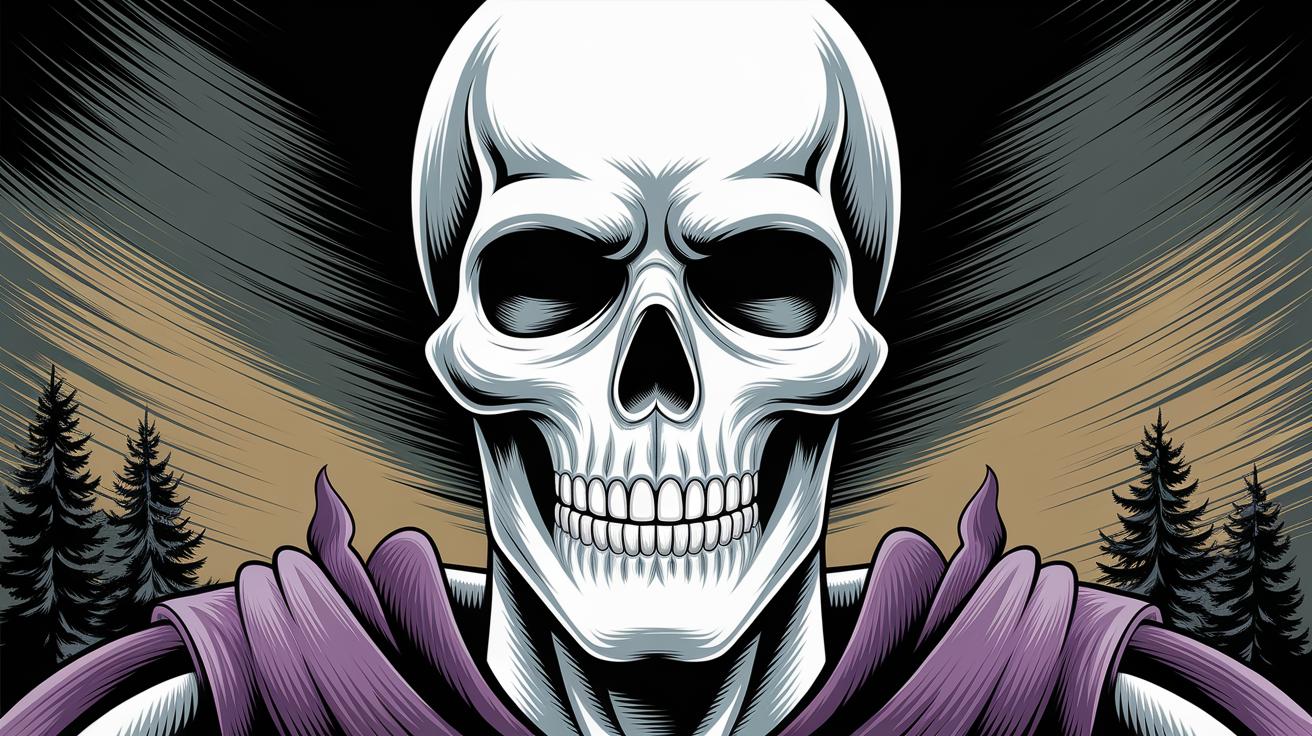
Necronomicon Album Art Explained
The Necronomicon album art serves as a visual manifestation of the mysterious and surreal themes that permeate H.R. Giger’s work and its connections to supernatural and historical iconographies. Through this exploration, we’ll delve into the influences of literary figures like Lovecraft and Crowley, the mechanized conception of the human body, and the aesthetic significance of ugliness in Giger’s creations. Understanding these key elements not only enriches appreciation for Giger’s art but also offers profound insights into the interplay between fear, beauty, and the subconscious. In this post, we dissect the multifaceted aspects of this iconic art, uncovering the underlying narrative and thematic resonance that has placed it in the annals of art and cultural history.
Lovecraft, Crowley, and Jesus
H.P. Lovecraft, Aleister Crowley, and religious iconography representing figures like Jesus have stirred the imagination and influenced countless artists, including H.R. Giger. Lovecraft’s mythos of cosmic horror, where the unfathomable and the eldritch live just beyond human understanding, weaves its way into Giger’s work, which often embodies a fascination with the macabre and otherworldly. This link draws the viewer into a world where reality seems to merge seamlessly with nightmare, highlighting an eternal human struggle against forces unknown and unseen.
Similarly, Crowley’s work on the occult and his promotion of spiritual individualism resonate within Giger’s art, which frequently explores themes of the forbidden and the esoteric. By intertwining these influences, Giger provides a landscape where the boundaries of reality and hallucination blur, echoing Crowley’s pursuit of deeper, hidden truths through exploration of the human psyche. The juxtaposition of these elements against traditional Christian iconography, such as depictions of Jesus, intensifies the dramatic tension between the sacred and the profane, creating a dialogue on the nature of belief and heresy.
Body as a Machine
Giger’s vision often reimagines the human body as a biomechanical entity, an intricate meld of flesh and machinery that challenges conventional perceptions of life and humanity. This concept of the ‘body as a machine’ deconstructs biological forms, suggesting a futuristic, perhaps dystopian evolution of bodily existence. Such imagery invites contemplation on the nature of identity and the pervasive influence of technology in redefining what it means to be human.
Through this lens, the Necronomicon album art underscores the alienation and dehumanization wrought by modern technological advancements. By rendering the human form with morbid precision and embedding mechanical elements, Giger compels an unsettling introspection on the loss of individuality amidst technological progression. This portrayal urges a reconsideration of autonomy and desire, as humanity becomes both the creator and at the mercy of its own inventions.
H.R. Giger Necronomicon – Alien Made of Fears
The notion of crafting an ‘alien made of fears’ captures the essence of Giger’s Necronomicon art. His creations evoke primal fears and anxieties, embodied in grotesque yet strangely familiar forms. These creations tap into deep-seated nightmares, bringing forth an alien, yet unnervingly relatable, reflection of the darkest aspects of the human condition. Giger’s art challenges perceptions of fear and the alien, blurring the boundaries between external threats and internal anxieties.
The surreal quality of Giger’s work underscores a visual representation of fear that is both captivating and unsettling. By rendering his figures with meticulous attention to grotesque detail, he invites viewers to confront their own fears, manifesting abstract nightmares into tangible realities. Consequently, Necronomicon transcends simple horror; it becomes a meditation on the nature of fear itself, prompting viewers to explore their psychological depths and reconcile with the unknown.
H.R. Giger Necronomicon – Ugliness as Aesthetic Value
Giger’s singular aesthetic, where ugliness holds intrinsic artistic value, challenges traditional conventions of beauty. His work posits that in ugliness lies a profound, often overlooked depth of beauty that provokes, rather than comforts, the observer. Through his art, Giger invites a redefinition of aesthetic appreciation, one that embraces distortion and grotesquerie as vehicles for exploring deeper truths and raw, unfiltered emotional responses.
This celebration of the ugly disrupts the idealized visions of beauty, confronting viewers with alternatives that are raw and confronting. The ugliness in Giger’s Necronomicon serves as a reminder that art can be a powerful catalyst for reflection and dialogue, pushing the boundaries of comfort to elicit a more profound engagement with the self and the broader human experience. By embracing the unconventional, Giger’s art challenges audiences to reassess their perceptions of beauty and the emotive power that lies in the margins of aesthetic norms.
Lessons Learned
| Theme | Description |
|---|---|
| Influence of Myth and Occult | Giger’s work is inspired by Lovecraft’s cosmic horror and Crowley’s occultism, blended with religious iconography. |
| Biotechnological Aesthetics | The depiction of the human body as a machine examines modern fears surrounding technology and identity. |
| Manifestation of Fear | Necronomicon is an artistic expression of primal fears and the known unknown. |
| New Beauty Standards | Giger’s work challenges traditional beauty, elevating ugliness as an aesthetic that evokes raw emotional responses. |