
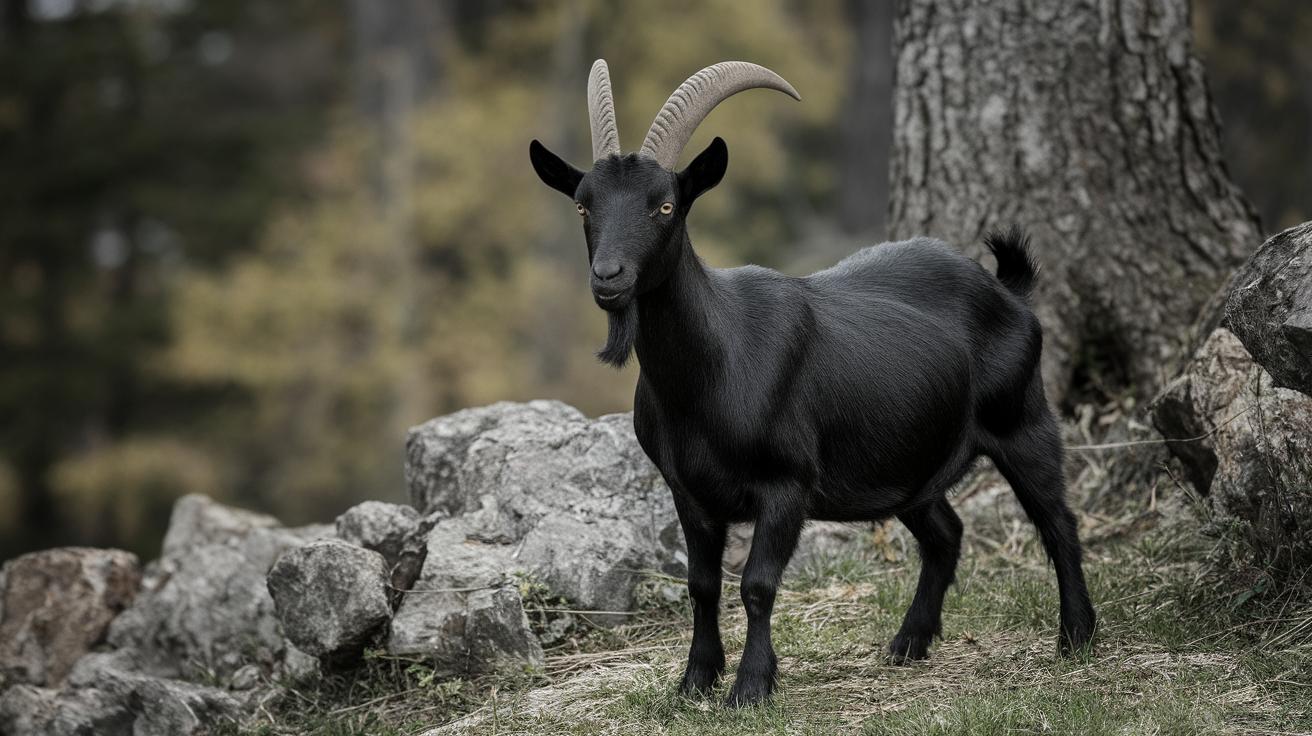
Shub-Niggurath: The Black Goat of the Woods
Shub-Niggurath, known as the Black Goat of the Woods, is one of the most enigmatic and horrifying entities in H.P. Lovecraft’s Cthulhu Mythos. In this exploration, we delve into the origins, characteristics, and cultural impact of this eldritch deity, offering insights into its place within the cosmic horror universe. We will uncover the symbolism behind Shub-Niggurath, its appearances in various literary works, and the lasting influence it has had on horror literature and pop culture. Through comments from Lornagj45 and David Quick, we’ll gain a deeper understanding of public opinion on this malevolent figure, concluding with a summary of its potential future appearances in literature and media.
Comment by Lornagj45
Lornagj45 reflects on Shub-Niggurath as a fascinating embodiment of life and decay, juxtaposing the primal fears and awe that the Black Goat of the Woods evokes. They argue that its presence in the mythos acts as a representation of nature’s untamed and indifferent force— one that is fertile yet destructive. Lornagj45 appreciates Shub-Niggurath’s role in emphasizing the chaotic and often indifferent universe that Lovecraft envisioned, where humanity’s understanding of the natural world is constantly challenged.
Furthermore, Lornagj45 draws attention to the deity’s symbolic role as a mother of abominations, suggesting that it is a reflection of societal fears around fertility and the unknown. They note how Lovecraft uses Shub-Niggurath to evoke terror, not just through sheer power, but through its ability to overturn the natural order. Comparing it to other cosmic entities, Lornagj45 highlights its unique aspect of being less about singular destruction and more about relentless propagation and growth that can lead to ruin if left unchecked.
Comment by David Quick
David Quick offers a different perspective, focusing on the literary function and cultural impact of Shub-Niggurath within the Cthulhu Mythos. He observes that the deity serves as a profound symbol of existential dread, capturing Lovecraft’s theme of the insignificance of humanity in the face of an unfathomable universe. Quick notes that Shub-Niggurath’s presence in various stories adds a layer of unpredictability and uncontrollable power, emphasizing the futility of human endeavors against such ancient cosmic beings.
David Quick further explores how Shub-Niggurath has transcended its literary origins to influence various forms of media, including comics, games, and films. He discusses the deity’s adaptability as a horror archetype, allowing it to resonate with different audiences and sustain its relevance in modern storytelling. According to Quick, Shub-Niggurath is a versatile figure that has been reinterpreted and reshaped to fit diverse narrative needs, demonstrating the timeless appeal of Lovecraftian horror.
Future Prospects
| Aspect | Description |
|---|---|
| Symbolism | Shub-Niggurath symbolizes nature’s indifference and chaotic fertility. |
| Literary Role | Acts as a narrative tool to explore themes of existential dread and insignificance. |
| Cultural Impact | Influences across media, appearing in comics, games, and films. |
| Public Perception | Diverse opinions appreciate its horror archetype adaptability and symbolic depth. |
| Future Appearances | Potential to be reshaped in contemporary stories, sustaining interest in Lovecraftian horror. |