
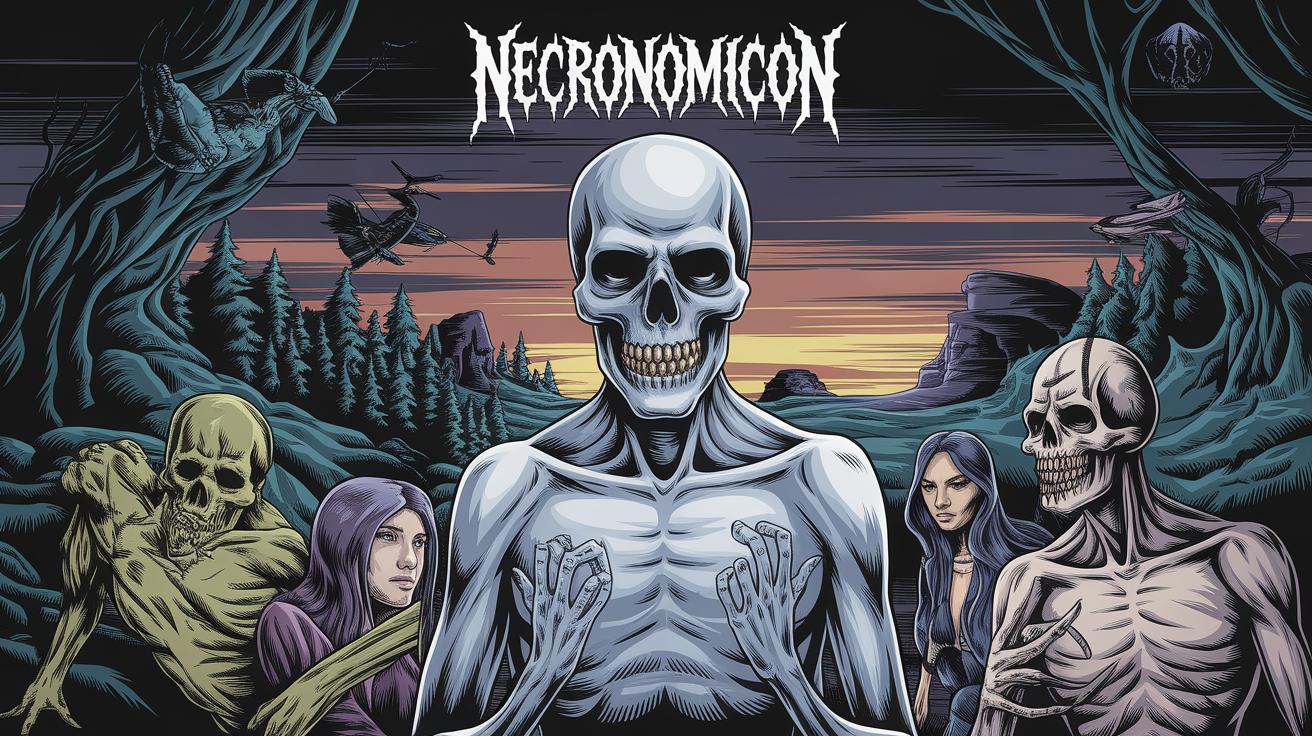
Necronomicon Best Albums Ranked
Welcome to the electrifying world of German thrash metal! In this blog post, we delve into a genre that has been at the forefront of the metal scene: German thrash. Known for its intense speed, aggressive riffs, and an undying spirit that has influenced countless bands globally, German thrash is a genre that continues to captivate. We’ll take a thrilling journey through some iconic albums by various bands, including the legendary Necronomicon and other trailblazers. Discover the high-octane thrill of these albums as we rank them, offering critical insights into what makes each one a significant piece of music history. Grab your headphones and prepare for a headbanging session that pays homage to the fervor and grit of German thrash metal.
Let there be German thrash!
German thrash metal emerged in the 1980s, crafting a more aggressive and raw version of the thrash metal sounds pioneered in the United States. Bands like Destruction, Sodom, and Kreator played pivotal roles in establishing Germany as a powerhouse in the thrash metal scene. Characterized by its fast tempos, complex guitar work, and intense vocals, German thrash pushed the boundaries of metal, influencing a wide array of sub-genres.
It’s within this vibrant landscape that Necronomicon rose to prominence. Despite facing tough competition, they carved out their own niche with their unique sound, characterized by a fusion of classic thrash and a distinctly eerie atmosphere. Their discography offers a thrilling exploration of the themes and musical techniques that define the genre.
Risk – The Daily Horror News (1988)
“The Daily Horror News” by Risk is a sonic assault that perfectly encapsulates the late 80s thrash metal scene. With punchy riffs and sharp lyrics, the album offers a critique on media sensationalism, wrapped in high-speed tracks that never compromise on intensity. Risk’s ability to blend speed and melody is displayed in full force throughout this release.
Tracks like “Roadwar” and “Chainsaw” serve as the album’s backbone, delivering relentless energy and showcasing Risk’s impressive musicianship. Although perhaps overshadowed by some contemporaries, the album persists as a cult favorite among thrash aficionados. Its contribution to the genre’s evolution during a transformative era cannot be understated.
Toxic Shock – Welcome Home…Near Dark (1990)
With “Welcome Home…Near Dark,” Toxic Shock delivers a visceral auditory experience that reflects the uncertainty and rebellion of its time. This 1990 album blends intense thrash riffs with thought-provoking themes, catching the attention of fans who crave depth alongside aggression.
The album’s introspective lyrics tackle societal issues, nightmares, and personal demons. It’s a journey into the darker corners of human experience, all expressed through fierce guitar work and thunderous drumming. Toxic Shock’s contribution to the thrash scene with this album is significant, making it a must-listen for genre enthusiasts.
Holy Moses – Queen Of Siam (1986)
Debuting in 1986, Holy Moses’s “Queen Of Siam” is a landmark album in the thrash metal genre, notable for its brutal intensity and the commanding vocals of Sabina Classen. This album not only stands out for its sheer ferocity but also for breaking barriers as Holy Moses became one of the few female-fronted bands in thrash metal.
The tracks are an explosion of raw energy, with “Don’t Mess Around With the Bitch” highlighting their unfiltered approach. “Queen Of Siam” is a testament to the band’s unwavering commitment to thrash, carving a path followed by many future artists, and remains a critical reference point in the history of the genre.
Angel Dust – Into The Dark Past (1986)
“Into The Dark Past” marks Angel Dust’s entry into the metal world with a bang. Released in 1986, it combines speed and technical prowess, setting the template for the band’s future endeavors. The album features ferocious guitar riffs and a rhythm section that underscores the dark themes explored in the lyrics.
Notable tracks like “Violence” and “Atomic Roar” exemplify the relentless energy that defines thrash metal. Angel Dust’s debut not only fortified their place in the thrash canon but also paved the way for their evolution into more progressive sounds in later years, showcasing their versatility and influence in the thrash scene.
Grinder – Dead End (1989)
Grinder’s “Dead End” is a pulsating example of thrash metal’s unyielding energy. Released in 1989, this album stands out for its intricate guitar work and pummeling rhythms. Filled with social commentary and dark observations, it’s an auditory blitz tailored for those with a penchant for speed and aggression.
Tracks like “Traitor” and “Nothing Is Sacred” are both relentless and deeply impactful, demonstrating Grinder’s skill in pairing musical complexity with thematic depth. “Dead End” captures the essence of late-80s thrash, offering a raw and unfiltered glimpse into the harrowing realities the genre often explores.
Tankard – The Morning After (1988)
Tankard is known for injecting humor and fun into thrash metal, and “The Morning After” showcases this to great effect. Released in 1988, the album is a raucous celebration of thrash, infused with the witty, beer-fueled antics that Tankard fans have come to adore.
The title track along with hits like “Try Again” and “Help Yourself” maintain relentless energy and tongue-in-cheek humor, keeping listeners engaged from start to finish. “The Morning After” is a vivid depiction of Tankard’s unique brand of thrash and humor, making it a staple for those seeking a lighter, yet still heavy, thrash experience.
Minotaur – Power Of Darkness (1988)
“Power Of Darkness” by Minotaur, released in 1988, is a forceful demonstration of what makes thrash exhilarating. The album captures raw power through lightning-fast riffs and relentless drumming, making for a relentless auditory onslaught.
With blistering tracks like “Magnetic Shock” and “Apocalyptic Devastation,” Minotaur combines traditional thrash with a hint of darkness, creating an intense listening experience. This album emphasizes speed and aggression, essential components of the thrash genre, and remains a significant fixture in the history of German thrash metal.
Iron Angel – Hellish Crossfire (1985)
Iron Angel’s “Hellish Crossfire,” released in 1985, is often hailed as an underrated gem in the metal genre. Marking their debut, the album is filled with fast-paced tracks that blend speed, power, and the raw energy that thrash demands.
Songs like “The Metallian” and “Sinner 666” harness aggressive thrash elements that foreshadow the genre’s later developments. “Hellish Crossfire” captures the essence of the early thrash movement and has gained a loyal following, forever cementing Iron Angel’s place in metal history.
Necronomicon – Escalation (1988)
“Escalation” by Necronomicon is both aggressive and atmospheric, a hallmark of what makes the band unique within the thrash metal scene. Released in 1988, the album showcases the bands’ ability to combine speed with an eerie, haunting soundscape.
From the opener “Death Toll” to the thrashing “Murder of Profit,” “Escalation” offers a relentless auditory experience. Necronomicon’s skill in balancing sheer aggression with thematic depth ensures the album’s place in the pantheon of essential German thrash metal records.
Darkness – Death Squad (1987)
“Death Squad” by Darkness, debuting in 1987, is a quintessential thriller that showcases the band’s ferocity and technical skill. The album quickly became a favorite for its unrelenting pace and hard-hitting riffs that embody the spirit of thrash.
Tracks like “Burial at Sea” and “Death Squad” exemplify the group’s raw energy and lyrical conquests. With its aggressive assault of sound, “Death Squad” remains an excellent representation of the thrash style and continues to influence musicians and stir the hearts of metalheads around the world.
Pyracanda – Two Sides Of A Coin (1990)
Pyracanda’s “Two Sides Of A Coin,” released in 1990, offers a more melodic take on thrash without losing its edge. The album delves into areas that many thrash bands shy away from, pairing melodic elements with traditional thrash vigor.
Songs such as “Democratic Terror” and “Welcome to Crab-Louse City” highlight Pyracanda’s distinctive ability to blend genres. This innovative approach garnered critical acclaim, earning the album a special place in the hearts of those who appreciate a harmonious balance between melody and aggression.
Tankard – Zombie Attack (1986)
Tankard’s debut, “Zombie Attack,” is an exuberant introduction to their energetic and humor-infused thrash style. Released in 1986, the album marries relentless speed and catchy hooks with satirical lyrics, offering a unique thrash experience.
The tracks “Thrash ‘Till Death” and the titular “Zombie Attack” are testaments to Tankard’s unique approach, mixing humor with intensity. The album has maintained its charm over decades, proving Tankard’s knack for creating enduring thrash hits while not taking themselves too seriously.
Paradox – Heresy (1989)
“Heresy” by Paradox is thematically ambitious, a concept album released in 1989 that raises the stakes for what thrash metal narratives can achieve. Renowned for its intricate compositions and intricate storytelling, the album deftly navigates the intersection of music and narrative.
Intricate tracks like “Killtime” and the epic “Heresy” weave a complex tale that explores themes of religion and conflict. Paradox’s commitment to storytelling, combined with their technical prowess, guarantees this album’s enduring legacy within the progressive thrash realm.
Kreator – Coma Of Souls (1990)
Kreator’s “Coma Of Souls” marks a pinnacle in the band’s career, showcasing refined thrash metal artistry. Released in 1990, the album balances aggression with musical precision, appealing to fans who crave sophisticated thrash with an edge.
The title track, along with standout numbers like “People of the Lie,” highlights Kreator’s ability to craft intricate, pulse-pounding compositions. “Coma Of Souls” solidified Kreator’s place as thrash metal titans, their influence echoing through the genre long after its release.
Assorted Heap – Mindwaves (1992)
Assorted Heap’s “Mindwaves,” arriving in 1992, taps into experimentation within thrash metal, blending it with death metal elements. The album offers a complex listening experience, as it navigates psychological themes with technical ferocity.
Tracks like “Grave New World” reflect the band’s avant-garde approach, while maintaining a core thrash essence. “Mindwaves” serves as a pioneering effort for those unafraid to push the boundaries of traditional thrash, cementing Assorted Heap’s place within progressive metal lore.
Violent Force – Malevolent Assault Of Tomorrow (1987)
Violent Force’s “Malevolent Assault Of Tomorrow” from 1987 is a relentless thrash classic characterized by its blistering speed and raw energy. Known for delivering fast and fierce performances, Violent Force encapsulates the spirit of 80s thrash on this quintessential album.
Songs like “Dead City” and “Vengeance and Venom” deliver a sensory overload of sound, embodying the fury and vigor of thrash metal. This album remains a cornerstone for enthusiasts who relish the genre’s powerful, aggressive origins.
Living Death – Protected From Reality (1987)
Released in 1987, Living Death’s “Protected From Reality” explores the more extreme edges of thrash metal. The album delivers high-speed riffs and piercing vocals that handle heavy themes with a raw sincerity unmatched at the time.
Tracks such as “Manila Terror” and “The Galley” show the band’s mastery in combining speed with lyrical content that delves into war and societal criticism. This album is a testament to Living Death’s grit and influence within the scene, marking a lasting impact on thrash enthusiasts.
Assassin – The Upcoming Terror (1987)
Assassin’s debut, “The Upcoming Terror,” jolted the thrash metal world in 1987 with its unapologetic ferocity and relentless pace. Known for their uncompromising sound, this album cements Assassin’s place as a formidable force in the scene.
The tracks “Holy Terror” and “Nemesis” deliver blistering sonic attacks, compelling listeners with their raw power and intense energy. “The Upcoming Terror” remains influential in the thrash genre, epitomizing the raw drive that defines the late 80s era.
Protector – A Shedding Of Skin (1991)
Protector’s “A Shedding Of Skin,” released in 1991, exemplifies the hybrid vigor of thrash and death metal. Known for combining brutal soundscapes with intense themes, the album crafts a menacing atmosphere across its tracks.
Tracks like “Mortuary Nightmare” highlight their blend of speed and aggression, while offering commentary on societal and human issues. “A Shedding Of Skin” stands as a testament to the versatility and evolving nature of the thrash genre, pushing it towards new horizons in the early 90s.
Exumer – Possessed By Fire (1986)
Exumer’s debut, “Possessed By Fire,” is hailed as a high watermark in the annals of 1986 thrash history. The album showcases furious tempos and sharp guitarwork, solidifying Exumer’s reputation as thrash purveyors.
Notable tracks like “Fallen Saint” and the titular “Possessed by Fire” offer relentless energy, speaking to themes of chaos and rebellion. This classic album firmly places Exumer among the pioneers who helped shape the thrash scene globally, resonating with fans across generations.
Sieges Even – Lifecycle (1988)
“Lifecycle” by Sieges Even represents a shining moment of technical proficiency within thrash metal’s evolution. This 1988 release melds progressive elements with thrash roots, creating a unique listening experience for those unafraid of complexity.
Songs like “Apocalyptic Disposition” reveal the band’s mastery in compositional craftsmanship, combining storytelling and intricate musical paths. Sieges Even’s venture into progressive thrash with “Lifecycle” underscores their pivotal role in the furthering of the genre.
Accuser – Who Dominates Who (1989)
Accuser’s “Who Dominates Who,” released in 1989, sees the band juxtaposing powerful riffs with aggressive lyrics. The album mingles thrash and hardcore punk influences, creating a dynamic and energetic sonic profile.
Tracks like “Symbol of Hate” deliver relentless energy and critique of societal structures, typifying Accuser’s emphatic style. “Who Dominates Who” remains a staple among thrash aficionados, valued for its intensity and insightful commentary on power dynamics.
Vendetta – Brain Damage (1988)
Vendetta’s “Brain Damage” from 1988 is a showcase of intricate riffs and intense lyrical exploration. The album bursts with technical precision, delivering a polished yet aggressive thrash experience.
Highlights such as “War” and “Brain Damage” are crafted with calculated fury, detailing narratives woven with complex musicality. Vendetta’s contributions with this album resonate as an influential force, steering the thrash genre into more exploratory territory.
Destruction – Eternal Devastation
Destruction’s “Eternal Devastation,” a pivotal release in the thrash metal lexicon, is renowned for its blistering speed and raw aggression. This album encapsulates the raw energy and technicality indicative of Destruction’s influence within the genre.
With tracks like “Curse the Gods” and “Life Without Sense,” the album delivers frenetic energy and incisive lyrical content, solidifying Destruction’s role as a leader in thrash metal evolution. “Eternal Devastation” is an iconic release that continues to inspire metal musicians and fans worldwide.
Despair – Beyond All Reason (1992)
“Beyond All Reason” by Despair delivers a combination of thrash intensity and complex musical structures. Released in 1992, it stands as a testament to the band’s ability to blend technical proficiency with thrash’s relentless urgency.
Tracks such as “Son of the Wild” demonstrate Despair’s capacity for intricate arrangements, characterized by shifting tempos and powerful riffs. The album remains influential for those who appreciate the confluence of ambitious compositions with genre-defining rawness.
Tankard – Chemical Invasion (1987)
Tankard delivers another punch with “Chemical Invasion,” released in 1987. This album shines with its characteristic blend of humor and thrash, offering listeners an entertaining and vigorous musical journey.
Songs like “Chemical Invasion” and “Don’t Panic” highlight Tankard’s knack for crafting catchy, fast-paced tunes infused with social commentary. The album remains a beloved entry in Tankard’s discography, showcasing their skill in balancing humor with thrash metal ferocity.
Holy Moses – Finished With The Dogs (1987)
“Finished With The Dogs” marks another striking entry for Holy Moses in the 1987 thrash metal scene. This album radiates intensity, driven by fierce vocals and fiery instrumentation that do justice to the powerful storytelling within.
Standout tracks like “Current of Death” maintain a relentless attack, presenting a visceral experience that draws listeners into its chaotic world. Holy Moses reasserts its position within metal with an album that refuses to bow to convention, continuing their legacy of leading female-fronted thrash.
Sodom – Persecution Mania (1987)
With “Persecution Mania,” Sodom creates a masterpiece that fuses razor-sharp thrash with punk influences. Released in 1987, it marks a turning point for the band, moving towards more polished production without sacrificing aggression.
Iconic tracks like “Nuclear Winter” and “Bombenhagel” lead a charge of furious riffs and politically-charged lyrics. This album’s bold sound and thematic direction aided in defining thrash metal’s evolution, elevating Sodom’s standing within the genre considerably.
Mekong Delta – The Principle Of Doubt (1989)
Mekong Delta’s “The Principle Of Doubt” exemplifies the band’s penchant for progressive thrash, weaving intricate musical narratives within a thrash framework. Released in 1989, the album combines intellectual themes with technical proficiency.
Tracks like “The Principle of Doubt” and “Once I Believed” deliver a sophisticated listening experience, inviting listeners to ponder deeper themes while reveling in the music’s complexity. Mekong Delta’s contribution to the genre highlights thrash metal’s potential for intellectual engagement and complexity.
Destruction – Release From Agony (1987)
Destruction’s “Release From Agony” in 1987 elevates their place in thrash metal with its complex arrangements and powerful delivery. Known for pushing the boundaries of the genre, the album mixes precision with intensity flawlessly.
Notable tracks like “Dissatisfied Existence” showcase Destruction’s ability to embed deep philosophical themes within thrash’s aggressive template. This release reaffirms their status as trailblazers whose influence permeates through the genre’s evolution.
Kreator – Extreme Aggression (1989)
In 1989, Kreator’s “Extreme Aggression” expanded their sonic signature, adding elements of maturity and depth while maintaining brute force. The album distinguishes itself with refined production values and aggressive lyrical themes.
Songs like “Extreme Aggression” and “Love Us or Hate Us” resonate with fierce energy, underpinning the aggressive narratives with extraordinary musical skill. It stands as a pivotal moment in Kreator’s career, influencing the trajectory of thrash metal profoundly.
Deathrow – Deception Ignored (1989)
Deathrow impresses with “Deception Ignored,” their 1989 release journeying into technical thrash realms. Its intricate song structures and relentless energy capture thrash’s evolution at the decade’s close.
Complex tracks like “Triocton” showcase Deathrow’s ability to incorporate progressive elements, highlighting themes of deceit and introspection. The album remains a testament to the band’s willingness to push genre boundaries while delivering powerful thrash anthems.
Sodom – Agent Orange (1989)
“Agent Orange,” from Sodom, exploded onto the scene in 1989 with a politically charged message wrapped in relentless thrash aggression. This album is lauded for its biting social critique and raw power.
Tracks like “Agent Orange” and “Remember the Fallen” balance aggressive sound with incisive themes, paving the way for thematic exploration in thrash. Sodom’s meticulous approach here results in a standout release that maintains its relevance and impact over decades.
Destruction – Infernal Overkill (1985)
“Infernal Overkill” by Destruction in 1985 marks a seminal moment for thrash metal, often cited for its unsettling intensity and speed. This debut album sets a high threshold, influencing a myriad of bands worldwide with its raw sound.
Tracks like “Bestial Invasion” spearhead the album’s untamed energy and ethereal themes, establishing Destruction as pioneers in thrash. The album’s immense impact has persisted, aiding in shaping thrash’s ferocious and unyielding identity.
Kreator – Pleasure To Kill (1986)
Kreator’s “Pleasure To Kill,” released in 1986, is a thrash masterwork with an aggressive edge that has stood the test of time. The album embodies raw aggression and macabre themes, etching its place in metal history.
The explosive tracks “Pleasure to Kill” and “Riot of Violence” define its relentless forward momentum and feverish execution. It marked a defining moment for Kreator and the genre at large, continuing to inspire new generations of metal musicians.
Share this:
If you’ve loved your journey through the adrenaline-pumping world of German thrash metal, share this blog with fellow metalheads! Thrash metal deserves to be celebrated for its raw energy and cultural impact.
| Album | Band | Year | Notable Track |
|---|---|---|---|
| The Daily Horror News | Risk | 1988 | Roadwar |
| Welcome Home…Near Dark | Toxic Shock | 1990 | Democratic Terror |
| Queen Of Siam | Holy Moses | 1986 | Don’t Mess Around With the Bitch |
| Into The Dark Past | Angel Dust | 1986 | Violence |
| Dead End | Grinder | 1989 | Traitor |
| The Morning After | Tankard | 1988 | Try Again |
| Power Of Darkness | Minotaur | 1988 | Magnetic Shock |
| Hellish Crossfire | Iron Angel | 1985 | The Metallian |
| Escalation | Necronomicon | 1988 | Death Toll |
| Death Squad | Darkness | 1987 | Burial at Sea |
| Two Sides Of A Coin | Pyracanda | 1990 | Welcome to Crab-Louse City |
| Zombie Attack | Tankard | 1986 | Thrash ‘Till Death |
| Heresy | Paradox | 1989 | Killtime |
| Coma Of Souls | Kreator | 1990 | People of the Lie |
| Mindwaves | Assorted Heap | 1992 | Grave New World |
| Malevolent Assault Of Tomorrow | Violent Force | 1987 | Dead City |
| Protected From Reality | Living Death | 1987 | Manila Terror |
| The Upcoming Terror | Assassin | 1987 | Holy Terror |
| A Shedding Of Skin | Protector | 1991 | Mortuary Nightmare |
| Possessed By Fire | Exumer | 1986 | Fallen Saint |
| Lifecycle | Sieges Even | 1988 | Apocalyptic Disposition |
| Who Dominates Who | Accuser | 1989 | Symbol of Hate |
| Brain Damage | Vendetta | 1988 | War |
| Eternal Devastation | Destruction | 1986 | Curse the Gods |
| Beyond All Reason | Despair | 1992 | Son of the Wild |
| Chemical Invasion | Tankard | 1987 | Chemical Invasion |
| Finished With The Dogs | Holy Moses | 1987 | Current of Death |
| Persecution Mania | Sodom | 1987 | Nuclear Winter |
| The Principle Of Doubt | Mekong Delta | 1989 | Once I Believed |
| Release From Agony | Destruction | 1987 | Dissatisfied Existence |
| Extreme Aggression | Kreator | 1989 | Love Us or Hate Us |
| Deception Ignored | Deathrow | 1989 | Triocton |
| Agent Orange | Sodom | 1989 | Remember the Fallen |
| Infernal Overkill | Destruction | 1985 | Bestial Invasion |
| Pleasure To Kill | Kreator | 1986 | Riot of Violence |