
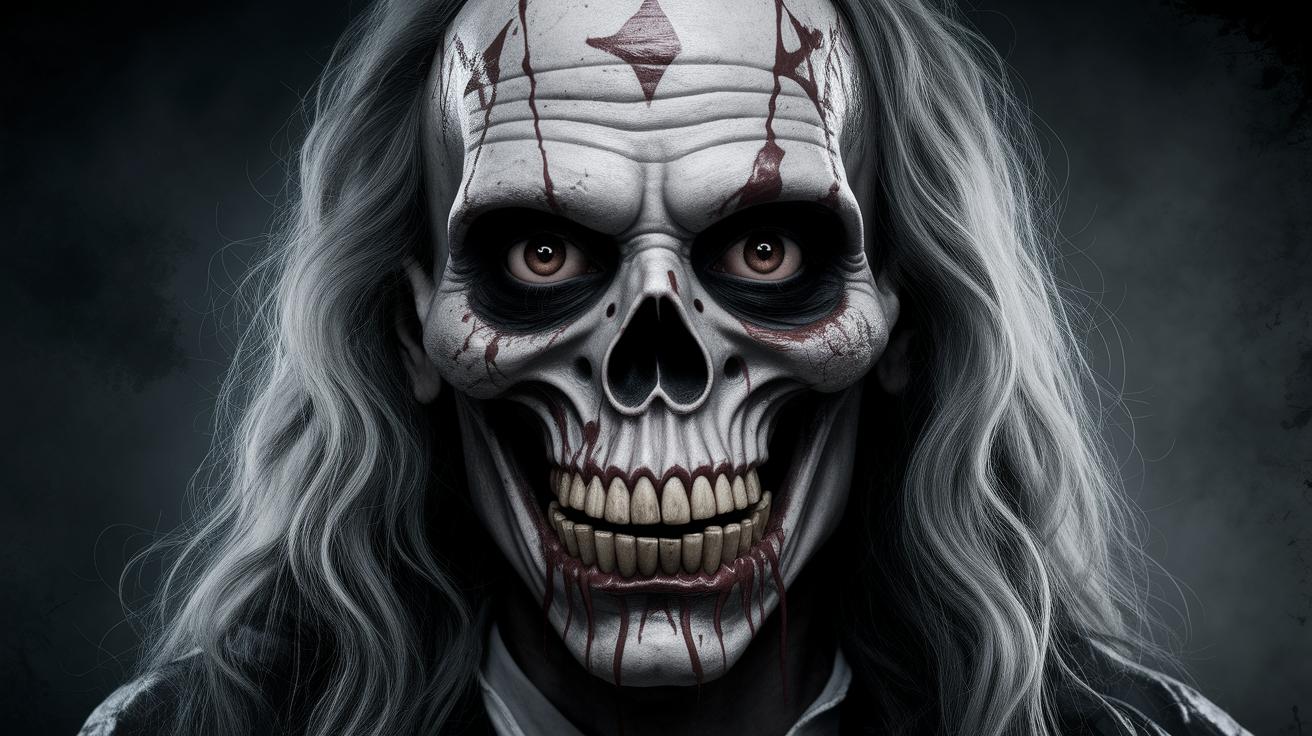
The Necronomicon’s Influence on Modern Horror
The Necronomicon, often characterized as the quintessential fictional grimoire, holds a pivotal place in horror, shaping countless narratives with its dark allure. Originating in the imaginative works of H.P. Lovecraft, this ominous tome became an iconic element within the genre, particularly as it ventured through the sinister landscapes of “The Evil Dead” series. This blog post explores the origins and historical significance of the Necronomicon, its journey through popular culture including its depiction in the “Evil Dead” trilogy, and its enduring impact on modern horror. By understanding its influence, we can appreciate how a single creation continues to haunt the imagination of authors, filmmakers, and audiences alike, serving as a cornerstone in the evolution of horror fiction.
The Genesis of a Horror Icon: The Necronomicon’s Conception
At the heart of the Necronomicon’s eerie intrigue is its creator, H.P. Lovecraft, who introduced the concept in his seminal works within the Cthulhu Mythos. Lovecraft envisioned the book as a forbidden tome filled with arcane knowledge and unspeakable revelations, a book written by the “Mad Arab” Abdul Alhazred. This conception, while purely fictional, captured the imagination of readers, who began to speculate about the true nature of the book, further blurring the lines between fiction and reality.
Lovecraft’s strategic use of the Necronomicon served as a plot device that added depth to his stories, fostering an atmosphere of dread and otherworldliness. By mingling authentic-sounding historical references with invented elements, Lovecraft lent an air of credibility to his otherwise fantastical tales. This mixture of reality and fiction continues to fascinate scholars and horror aficionados alike, who delve into Lovecraft’s work for clues about the book’s supposed existence and its metaphorical implications for humanity’s place in the cosmos.
Unearthing the Past: The Necronomicon’s Historical Roots
While the Necronomicon itself is a product of fiction, its roots can be traced to real ancient texts that document mystical practices and esoteric knowledge. Throughout history, grimoires have held a peculiar status, often marked by their prohibition by religious or governmental authorities due to their alleged connections to witchcraft and the occult. This historical backdrop served as fertile soil for Lovecraft’s creation, allowing it to resonate with the existing cultural fascination with secret knowledge.
Furthermore, Lovecraft cleverly aligned the Necronomicon with antiquarian materials, echoing the language and themes of genuine historical scholarships. This attention to detail in crafting a believable origin story provided a strong foundation for the Necronomicon’s perceived authenticity. Audiences found themselves drawn to its mysteries, prompting many successors to expand upon and reinterpret its mythology in increasingly varied and innovative ways.
The Evil Dead’s First Encounter: Unleashing Hell
The Necronomicon made a significant splash in modern media with its terrifying representation in Sam Raimi’s “The Evil Dead” franchise. The film first introduces the Book of the Dead as a malevolently bound ancient book of spells that unleashes dark forces upon an unsuspecting group of friends. This representation firmly entrenched the Necronomicon within popular culture, depicting it as a conduit for unleashing supernatural calamity.
Raimi’s interpretation of the Necronomicon captures the essence of Lovecraftian horror by immersing audiences in an environment where reality is suspended and unimaginable terrors lurk. The film’s visceral effects, compelling storyline, and atmospheric tension brought the malevolent characteristics of the Necronomicon to life, leaving audiences both mesmerized and horrified by its presence. Its introduction into film marked the beginning of its enduring legacy as a horror staple.
The Necronomicon Evolves: Expanding the Mythos in Evil Dead II
With the release of “Evil Dead II,” the Necronomicon’s mythology was further developed, intertwining with the narrative in a way that deepened its impact. This sequel delved deeper into the lore surrounding the book, illustrating its lengthened shadow over the characters and contextualizing its power in the grand tapestry of the horror mythos. The film showcased the book as an entity with agency, capable of manipulating reality and distorting time.
The movie balanced terror with a touch of dark humor, cementing its status as a cult classic. As Ash Williams, the protagonist, navigates the chaotic and surreal environment, the Necronomicon remains a looming presence, subtly guiding the plot and serving as the catalyst for chaos. This evolution in storytelling underscored the book’s adaptability and its ability to serve as a versatile element in horror storytelling.
Army of Darkness: The Necronomicon’s Medieval Saga
“Army of Darkness,” the third installment of the series, transports the Necronomicon to a medieval setting, contrasting its ancient mystique with the dark ages. This film thrusts the book into a new context, positioning it as an artifact over which kingdoms vie, emphasizing its perceived omnipotence and age-old secrets. This move not only expanded the narrative scope of the Necronomicon but also reinforced its portrayal as a symbol of forbidden power.
The medieval backdrop allowed the narrative to explore themes of heroism, mythology, and the timeless battle between good and evil. The Necronomicon serves as both a weapon and a curse, capable of rewriting the world’s fate. By transitioning the story through different time periods and settings, “Army of Darkness” demonstrated the adaptability of horror elements, ensuring the Necronomicon remains relevant and influential across various storylines and interpretations.
The Necronomicon in Modern Media: Legacy and Influence
Beyond its appearances in “The Evil Dead,” the Necronomicon has carved out a permanent niche in modern media, inspiring numerous books, films, games, and artworks. This fictional creation has become a versatile motif, utilized by creators to explore themes of the unknown, the supernatural, and the consequences of wielding forbidden knowledge. Its persistent influence underscores the power of storytelling in shaping cultural paradigms and sparking imaginative exploration.
The enduring popularity of the Necronomicon, and its continued presence in a variety of media, highlights society’s unyielding fascination with the arcane and the unexplored realms of human consciousness. It serves as a testament to the effectiveness of Lovecraft’s creation, illustrating the profound impact a fictional narrative can have on real-world creativity and dialogue within the horror genre. The Necronomicon’s mythical status ensures its place as a cornerstone of horror literature and a source of inspiration for generations to come.
Next Steps: The Everlasting Terror of the Necronomicon Ex-Mortis
As we look to the future, the Necronomicon remains an integral part of the horror landscape, influencing emerging creators who seek to cast a spell of fear and fascination over their audiences. Its ability to adapt to and thrive within diverse mediums assures its perpetuation in upcoming folklore and fandoms. The cross-genre and cross-platform appeal of this ancient tome provide a rich ground for continued innovation and reinvention in horror storytelling.
As both audiences and creators persistently push the boundaries to seek new narratives, the Necronomicon serves as a reminder of the perennial power of storytelling. It bridges the ancient with the contemporary, offering a fascinating window into the endless possibilities of horror fiction. This enigmatic tome continues to beckon those brave enough to tempt fate, exploring the dark corners of imagination and fear.
| Section | Content Summary |
|---|---|
| The Genesis of a Horror Icon | Introduces H.P. Lovecraft’s original conception of the Necronomicon and its influence in creating a credible fictional mythos. |
| Unearthing the Past | Examines the Necronomicon’s roots linked to real historical grimoires and Lovecraft’s blending of fiction with historical elements. |
| The Evil Dead’s First Encounter | Discusses the portrayal of the Necronomicon in “The Evil Dead” and its impact on modern horror media. |
| The Necronomicon Evolves | Explores the expansion of the book’s mythology in “Evil Dead II” and its enhanced role in storytelling. |
| Army of Darkness | Analyzes the medieval context of the Necronomicon in “Army of Darkness” and its thematic significance. |
| The Necronomicon in Modern Media | Evaluates the enduring influence of the Necronomicon across various media and its role in shaping modern horror narratives. |
| Next Steps | Reflects on the future impact of the Necronomicon and its continuing legacy in the horror genre. |